Ever wondered how simple misunderstandings can turn into big conflicts? These conflicts can take a lot of your time and energy. It’s important to know how disputes work to solve them.
A dispute happens when people disagree about something. This can be in many areas, like buying things or in court. The goal of the dispute resolution process is to fix these problems without hurting anyone.
In today’s world, knowing how to deal with disputes is very important. It helps avoid more problems and keeps relationships strong. Whether you’re buying something, working, or just need to understand, learning about dispute resolution is key.
Key Takeaways
- Disputes can occur in various contexts, from personal to professional settings
- Understanding the dispute resolution process is critical for effective conflict management
- Early intervention can prevent disputes from becoming more complex
- Communication is key in resolving disagreements
- Different resolution methods exist for different types of disputes
What is a Dispute?
Disputes happen when two or more people disagree. They might argue about facts, rights, or what they expect. Knowing how to settle disagreements is key for both people and groups.
Conflicts come from many places. They can cause tension and make talking hard. Knowing what disputes are helps us handle them better.
Defining Disputes in Context
A dispute is a formal disagreement that can’t be solved. These problems can happen in many areas:
- Personal relationships
- Business transactions
- Consumer interactions
- Professional environments
Common Types of Disputes
There are many kinds of disputes. Here are some main ones:
- Consumer Disputes: Problems with products or services
- Contract Disputes: When agreements are broken or not understood
- Workplace Conflicts: Issues with job performance or pay
- Financial Disputes: Problems with money, like payments or investments
Root Causes of Disputes
Knowing why disputes start is important. It helps us find ways to solve them. Main reasons include:
- Miscommunication
- Unmet expectations
- Misaligned interests
- Cultural differences
- Insufficient information
Learning how to settle disagreements helps us turn fights into useful talks. This way, we can solve problems together.
The Dispute Resolution Process
Handling conflicts needs a clear plan. This plan helps solve problems between people. It uses special ways to find solutions that everyone can agree on.
Knowing how to handle disputes can turn fights into chances to talk and solve problems together.
Stages in the Dispute Process
The dispute process has key steps:
- Initial Identification: Finding out what the main problem is
- Communication: Talking openly with all sides
- Analysis: Looking into why the problem started and how to fix it
- Negotiation: Working together to find a solution
- Resolution: Putting the agreed-upon solution into action
Importance of Documentation
Keeping good records is very important. It helps keep things straight, track talks, and prove points if needed.
When to Seek Professional Help
Some disputes need help from experts. You might need a professional if:
- Talks don’t work and things get worse
- There are legal issues
- Feelings get too strong to talk things out
- There’s a lot at stake, like money or jobs
Experts in solving disputes can offer help. They guide people through tough talks with their special skills.
Mediation as a Dispute Resolution Method
Quarrel reconciliation mechanisms are key in solving conflicts without going to court. Mediation is a strong way to settle disputes by working together to find solutions.
Mediation is a negotiation process with a neutral third party. They help both sides find solutions they can agree on. It’s different from going to court because it’s more flexible and works together.
Understanding Mediation
Mediation is a safe place for people to talk openly. The mediator helps guide the conversation. They help find new ways to solve problems.
- Neutral third-party involvement
- Voluntary participation
- Confidential discussions
- Focus on mutual understanding
Key Advantages of Mediation
Mediation has many benefits over other ways to solve disputes. It offers:
- Cost-effective approach
- Faster solutions than court
- Keeps relationships strong
- More control over the outcome
The Mediation Process
Mediation follows a clear process:
- Initial consultation
- Opening statements
- Joint discussion
- Private caucus sessions
- Negotiation and agreement
Mediation helps solve conflicts quickly. It keeps relationships strong and finds practical solutions.
Arbitration in Disputes
Arbitration is a strong choice instead of going to court. It helps solve problems in a special way. This method is quicker and cheaper than lawsuits.
Understanding Arbitration
Arbitration means a neutral person listens to both sides. Then, they make a final decision. This decision is not open to appeal.
Key Characteristics of Arbitration
- Neutral third-party decision-maker
- Binding and enforceable resolution
- More flexible than traditional court proceedings
- Typically faster and less expensive than litigation
Pros and Cons of Arbitration
Arbitration has good points and bad. It can be quicker and cheaper. But, you give up some control over the outcome.
| Advantages | Disadvantages |
|---|---|
| Faster resolution | Limited appeal options |
| Lower legal expenses | Less formal procedural protections |
| Private proceedings | Potential bias in arbitrator selection |
When to Choose Arbitration
Arbitration is good for business and work problems. Think about your situation before choosing this way to settle disputes.
The Role of Negotiation in Disputes
Negotiation is key in solving disputes. It helps people work together to find solutions. This way, they avoid fighting more.
Good negotiation needs smart thinking, feeling emotions well, and understanding others’ views.
Core Negotiation Techniques
Effective dispute solving uses special negotiation ways. Experts use a few main strategies:
- Interest-Based Negotiation: Looks at what people really need, not just what they say
- Positional Bargaining: Starts talks with clear goals
- Collaborative Problem-Solving: Wants everyone to win
Key Considerations in Negotiation
When you negotiate, some things are very important. Being well-prepared is key. You should:
- Find common interests
- Know what you want
- Keep talking openly
- Listen well
Optimal Moments for Negotiation
Negotiation works best when both sides want to find a way to agree. It’s good for ongoing relationships and complex problems. It’s also useful when you need to keep talking in the future.
Learning to negotiate well can turn conflicts into chances for talking and solving problems together.
Litigation: A Legal Path to Resolve Disputes

Litigation is a key way to solve disputes in the legal world. When talks and mediation fail, people go to court for a final say. This legal route offers a clear way to end big disagreements.
Courts decide when talks don’t work. The court process has many steps. It turns a fight into a legal win.
Overview of Legal Proceedings
Litigation starts with a lawsuit filed by one side. The steps are:
- Filing an initial complaint
- Serving legal documents to the opposing party
- Gathering evidence through discovery
- Potential pre-trial negotiations
- Court hearing or trial
Types of Litigation
There are many ways to handle legal fights. Some common ones are:
- Civil litigation
- Commercial disputes
- Class action lawsuits
- Employment-related cases
- Contract disagreements
Costs and Time Considerations
Litigation can cost a lot and take a long time. Legal fees and court costs add up. It’s a big decision with big costs.
Even though it’s complex, litigation is a formal way to solve disputes. Knowing how it works helps people and businesses decide if it’s right for them.
Organizational Disputes
Workplaces are complex places where many people meet every day. Different personalities and goals can cause problems. It’s important to solve these issues to keep the work place healthy.
Types of Organizational Disputes
Knowing why conflicts happen is key. Common problems include:
- Conflicts between coworkers
- Issues with communication
- Disagreements over resources
- Problems with how leaders manage
- Disputes over how well someone is doing their job
Resolving Workplace Conflicts
Fixing conflicts needs a good plan. Effective conflict management techniques include listening well, understanding others, and talking things out. Leaders should:
- Spot problems early
- Make sure everyone can talk
- Help find good solutions
- Look for answers that work for everyone
The Role of HR in Disputes
Human Resources is very important in solving problems. They help keep things fair and make sure everyone is treated right. HR does things like:
Creating rules for solving conflicts, training people, and making sure everyone is treated fairly.
By tackling conflicts early, workplaces can be better places. This helps everyone do their best and makes the company succeed.
Family Disputes
Family disputes are very hard and emotional. They involve deep personal relationships. Finding ways to solve these disputes is key to keeping families together.
Common Family Disputes
Families face many tough situations. These can cause a lot of stress. Some common disputes include:
- Divorce proceedings
- Child custody disagreements
- Inheritance and estate distribution
- Elder care responsibilities
- Financial support conflicts
Mediation and Family Law
Mediation is a good way to solve family problems. Professional mediators help families talk things out. They focus on finding solutions together, not against each other. These experts create a safe space for everyone to share their feelings.
Legal Resources for Family Disputes
There are many resources for families in legal trouble:
- Family law attorneys who help solve disputes
- Court-appointed mediators
- Family counseling services
- Online dispute resolution platforms
Knowing about mediation and how to solve disputes helps families. It lets them deal with problems in a better way. This can lead to positive outcomes.
Consumer Disputes
Consumer disputes are key to understanding the marketplace. They happen between buyers and sellers. These issues affect how happy we are with our purchases.
Common Types of Consumer Disputes
Many problems can lead to disputes. Here are some common ones:
- Defective product claims
- Unsatisfactory service experiences
- Billing discrepancies
- Contract misunderstandings
- Warranty and return policy conflicts
Effective Strategies for Resolving Consumer Issues
Dealing with disputes needs a plan. Here are steps to follow:
- Document all communication and evidence
- Contact customer service directly
- Understand your consumer rights
- Escalate complaints when necessary
- Consider mediation or arbitration
Consumer Protection Agency Support
Consumer protection agencies are very important. They help by looking into complaints, solving problems, and enforcing laws. The Federal Trade Commission (FTC) is one such agency.
Knowing how disputes work helps us protect our rights. It also helps us solve problems with businesses.
International Disputes
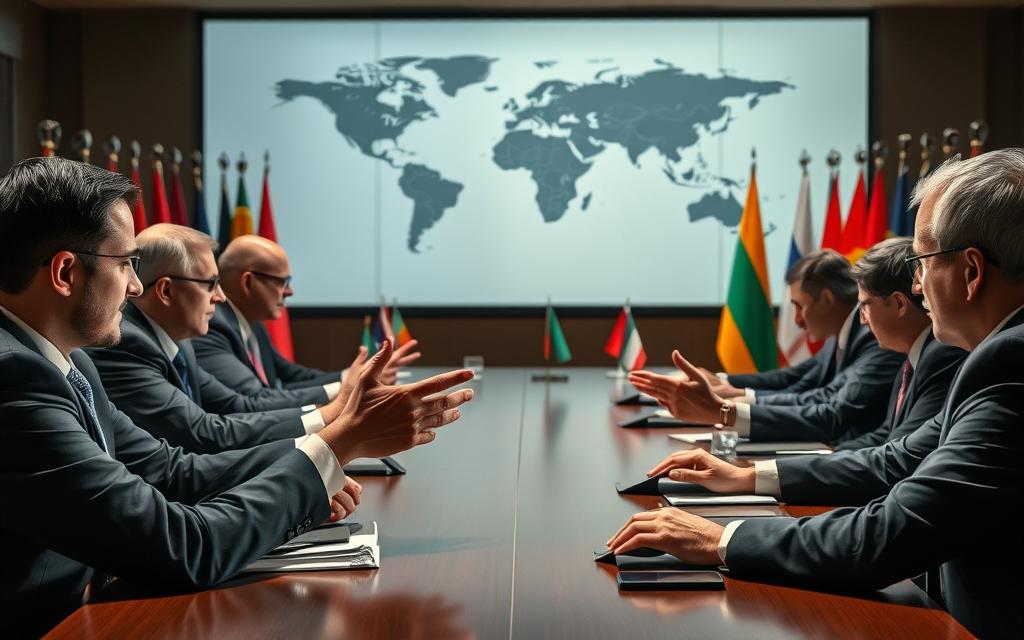
Global interactions lead to complex situations where solving disputes is key. International disputes happen when countries, companies, and groups work together but disagree. These disagreements can be about trade, land, or misunderstandings.
Unique Characteristics of International Disputes
International disputes have special challenges. They include:
- Multiple legal places
- Complex cultural issues
- Important diplomatic talks
- Big economic effects
Dispute Resolution at the International Level
Fixing international conflicts needs smart solutions. Groups like the United Nations and international courts are key. International arbitration is a top choice for solving these big issues.
Prominent International Dispute Resolution Mechanisms
There are many ways to handle international disputes:
- International Arbitration: A neutral third party makes the decision
- Diplomatic talks
- International Court of Justice cases
- Mediation by international groups
Knowing how to handle these disputes helps everyone work better together. It keeps things calm and finds peaceful solutions.
Online Disputes
The digital world has changed how we solve problems. Now, we face new challenges and chances to fix issues online. Online disputes are common because we use digital tools more often.
Today’s digital world brings new problems. E-commerce, social media, and online services lead to more conflicts. We need new ways to solve these problems.
Rise of Online Disputes
Digital spaces create many conflict situations. We need special ways to handle these problems. Some common online disputes include:
- E-commerce transaction disagreements
- Social media conflicts
- Digital service contract issues
- Online marketplace transaction disputes
Platforms for Resolving Online Disputes
New tools help solve online problems. They make finding solutions easier:
- Automated Negotiation Systems
- Video-based Mediation Services
- AI-powered Dispute Resolution Platforms
- Blockchain Mediation Tools
Challenges in Online Dispute Resolution
Fixing online disputes is hard. Old ways don’t work well here. We face issues like:
verifying who is talking, keeping talks safe, and keeping things fair.
As we use digital tools more, solving online disputes is key. It’s important for both people and businesses in the digital world.
Cultural Factors in Disputes
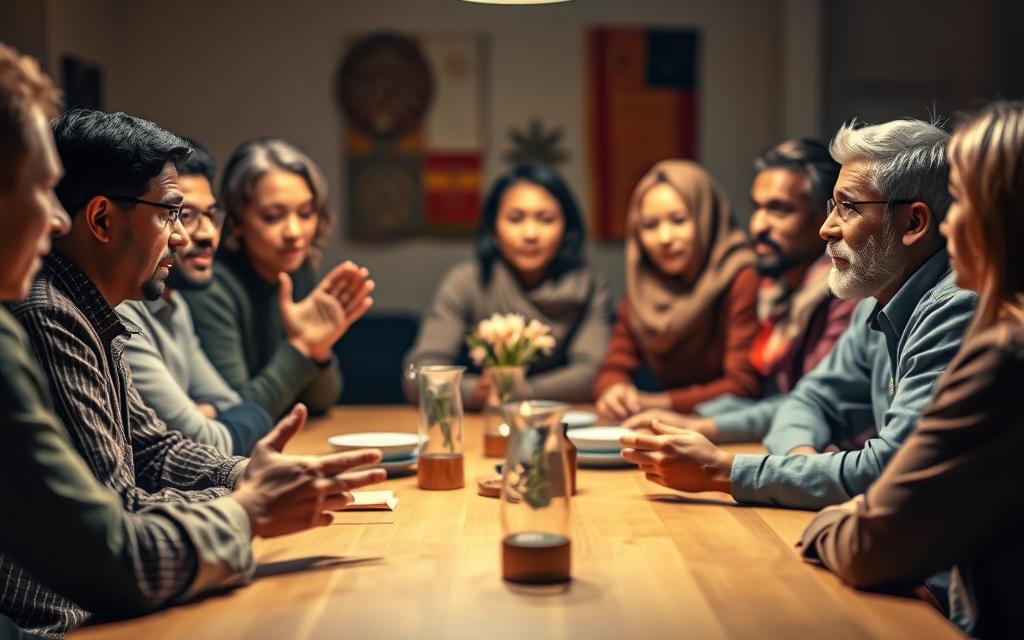
In our world today, knowing about different cultures is key. It helps us manage conflicts better. Each culture sees disagreements in its own way. This makes talking across cultures a special skill.
How we see and talk about conflicts changes with our culture. Finding ways to settle disputes needs to consider these cultural differences. This way, we can solve problems together.
Cultural Dimensions of Conflict
Dealing with disagreements needs to understand culture deeply. Important cultural factors in solving disputes include:
- Communication styles
- Power distance perceptions
- Emotional expression norms
- Collectivist vs. individualist approaches
Cross-Cultural Dispute Resolution Strategies
| Cultural Approach | Conflict Management Technique |
|---|---|
| High-Context Cultures | Indirect communication, relationship preservation |
| Low-Context Cultures | Direct communication, problem-solving focus |
| Hierarchical Societies | Respect for authority, formal mediation |
| Egalitarian Societies | Collaborative decision-making |
Successful cross-cultural dispute resolution demands empathy, flexibility, and a genuine commitment to understanding diverse perspectives.
Future Trends in Dispute Resolution
The world of solving disputes is changing fast. New tech is making old ways of handling conflicts better. Now, we have ways to solve problems that are quicker and more accurate.
Technology’s Revolutionary Impact
New tech is changing how we solve disputes. Things like artificial intelligence and machine learning are making it easier to manage conflicts. They help us solve problems more accurately and quickly.
- AI-powered predictive analytics
- Blockchain-enabled smart contracts
- Virtual reality mediation platforms
- Automated negotiation systems
Predictive Analytics in Dispute Management
Now, we can see problems before they start. Predictive analytics uses big data to spot trouble. This lets us act early to stop conflicts.
| Technology | Dispute Resolution Application | Potential Impact |
|---|---|---|
| Artificial Intelligence | Outcome Prediction | 80% Accuracy Rate |
| Blockchain | Smart Contract Verification | Reduced Contractual Disputes |
| Virtual Reality | Remote Mediation | Increased Accessibility |
As tech keeps getting better, solving disputes will get even smarter. It will be based on data, clear, and fast. People working in this field need to learn these new ways to stay good at their jobs.
The Importance of Communication in Dispute Resolution
Communication is key in solving disputes. It helps us talk things out and find solutions. We need to speak clearly and listen well.
Learning to communicate well can turn fights into chances to understand each other. This is very important.
Effective Communication Strategies
To communicate well in disputes, we need certain skills:
- Active Listening: Really listen to what the other person says
- Use “I” statements to share feelings without blaming
- Try to see things from another’s point of view
- Keep your body calm and controlled
Overcoming Communication Barriers
There are things that can make talking hard during disputes:
- Getting too emotional
- Not understanding each other because of culture
- Making assumptions without knowing the facts
- Misreading body language
To solve disputes, we need to be smart and good at talking. We must know how to get past these barriers. This way, we can find ways to fix things.
Getting better at this takes time and effort. We must really want to see things from another’s point of view.
Conclusion: Navigating Disputes Successfully
Learning how to solve disputes is key. It needs a smart plan and good ways to manage conflicts. The first step is to know each problem well and pick the best way to fix it.
We’ve seen many ways to solve conflicts. There’s talking it out, mediation, arbitration, and even going to court. The most important thing is to keep talking, understand each other, and work together.
Being ready to solve problems can turn fights into chances to learn and grow. Good communication, listening well, and solving problems together can help a lot. This way, we can deal with tough situations better.
The best way to manage conflicts is to be prepared, patient, and really want to find solutions that work for everyone. Using these ideas helps us solve problems with confidence. It keeps our relationships strong and finds good solutions in many areas of life.