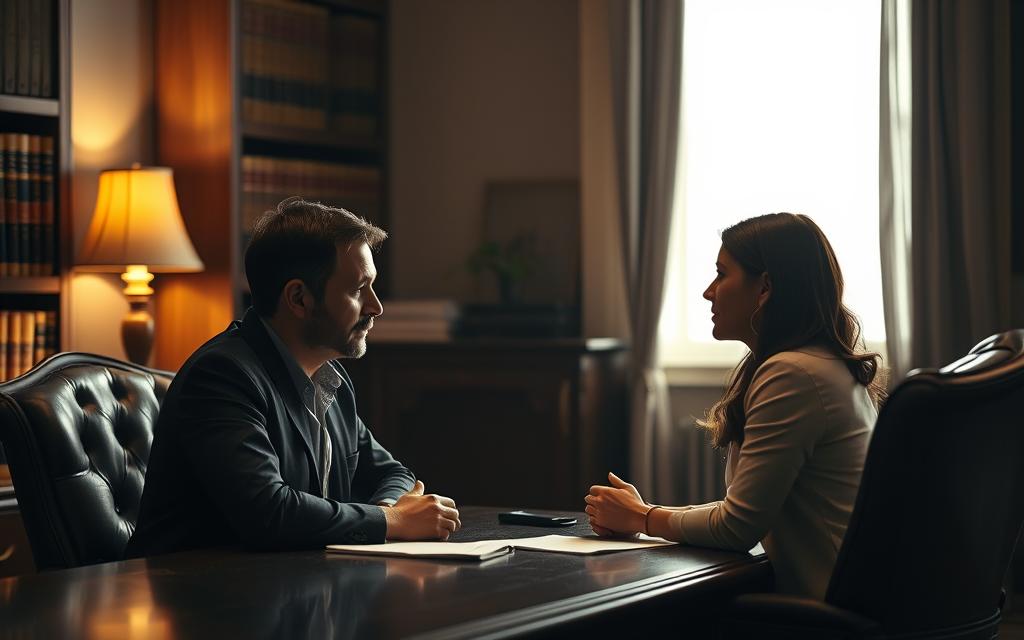

Child custody and homeschooling rules explained clearly for parents navigating legal rights, school choices, and custody agreements with confidence.
Child custody and homeschooling often intersect during divorce or separation. Courts focus on the child’s best interests, legal custody rights, and educational stability. Parents may homeschool if allowed by state law and custody orders, even when custody is shared or disputed.
Child Custody And Homeschooling: Can They Work Together? 🤔
Can homeschooling really survive a custody battle? Many parents fear it can’t. The truth is simpler than it sounds. Child custody and homeschooling can coexist when handled the right way. Courts care less about how a child learns and more about how well they thrive 📘.
Homeschooling is legal in all U.S. states. But custody rules can change how it works. Judges focus on stability, consistency, and the child’s best interests. When those boxes are checked, homeschooling often stays intact.
Parents who plan ahead face fewer problems. Clear agreements matter. Strong communication matters even more. Without them, education can quickly become a legal tug-of-war ⚖️.
How Courts View Child Custody And Homeschooling 🏛️
Family courts don’t hate homeschooling. They also don’t blindly approve it. Judges want proof that homeschooling supports the child’s growth. Education quality matters as much as custody structure.
Courts look at routine, curriculum, and supervision. They want to see social interaction, progress tracking, and long-term planning. If homeschooling feels disorganized, courts may push back.
Judges also consider parental cooperation. Conflict-heavy cases face more scrutiny. Courts prefer decisions that reduce stress for the child 😊.
Legal Custody Vs Physical Custody Explained 📜
Legal custody controls big decisions. Education is one of them. Physical custody controls where the child lives day-to-day. Homeschooling usually falls under legal custody.
When one parent has sole legal custody, decisions are easier. That parent can approve homeschooling alone. With joint legal custody, both parents must agree 🤝.
Disagreements often lead to court intervention. Judges then decide based on evidence. Preparation makes all the difference.
Does Joint Custody Complicate Homeschooling? 🔄
Joint custody adds layers. Two parents. Two homes. One education plan. That balance can feel tricky. But it’s not impossible.
Courts expect consistency. Homeschool schedules must work across homes. Lesson plans should stay stable. Transitions should feel smooth.
Parents who collaborate succeed more often. Shared calendars, shared goals, and shared responsibility reduce conflict 💡.
Sole Custody And Homeschooling Rights 🧠
Sole custody simplifies decisions. One parent controls education choices. That includes homeschooling methods, curriculum, and schedules.
Still, courts expect accountability. The homeschooling parent must meet state requirements. Progress records help protect custody rights.
The non-custodial parent may still raise concerns. Judges listen, but evidence usually outweighs opinions 📂.
When One Parent Objects To Homeschooling ❌
Objections happen often. One parent may fear isolation. Another may worry about academics. Courts take objections seriously.
Judges ask key questions:
- Is the child progressing academically?
- Are social needs met?
- Is homeschooling used to block visitation?
Strong documentation helps overcome objections. Weak planning hurts your case ⚠️.
Best Interests Of The Child Standard ❤️
This standard drives every custody decision. It outweighs parental preferences. Education choices must support emotional and academic health.
Courts examine:
- Learning outcomes
- Social development
- Emotional stability
If homeschooling benefits the child, courts often support it. If not, they may step in gently—or firmly.
State Laws That Affect Homeschooling In Custody Cases 🗺️
Homeschool laws vary by state. Some states require notice. Others require testing or portfolios. Custody judges expect compliance.
Here’s a quick overview:
| State Requirement | Low Regulation | Moderate Regulation | High Regulation |
|—|—|—|
| Parent Notice | Optional | Required | Required |
| Testing | Rare | Periodic | Annual |
| Curriculum Approval | No | Limited | Yes |
Ignoring state rules weakens custody claims. Following them strengthens credibility 📌.
Parenting Plans That Include Homeschooling 📘
A solid parenting plan prevents future fights. Homeschooling should be clearly written into custody agreements.
Strong plans include:
- Curriculum choice authority
- Daily schedules
- Testing methods
- Transition rules
Clear plans protect both parents. They also protect the child from sudden disruptions 🧩.
How Judges Evaluate Homeschool Quality 📊
Courts don’t grade worksheets. They evaluate outcomes. Judges look for structure, progress, and consistency.
Evidence that helps:
- Attendance logs
- Sample work
- Test results
- Extracurricular activities
Here’s what courts commonly compare:
| Evaluation Area | Traditional School | Homeschool |
| Attendance | School records | Parent logs |
| Progress | Report cards | Portfolios |
| Socialization | Classmates | Activities |
Preparation builds confidence. Confidence builds trust.
Socialization Concerns In Custody Disputes 👥
Socialization is a common worry. Courts want children to interact with peers. Homeschooling can meet that need easily.
Activities that help include:
- Sports teams
- Co-ops
- Community classes
- Volunteering
Showing real-world interaction matters more than classroom seats 🏀.
Homeschooling Across Two Households 🏠
Two homes don’t mean two schools. Successful families align routines. They share materials. They share goals.
Helpful tools include:
- Shared lesson plans
- Cloud-based trackers
- Weekly check-ins
Consistency reduces stress. Children thrive when expectations stay clear 🌱.
Modifying Custody Orders For Homeschooling 🔄
Life changes. Education needs change too. Custody orders can be modified when homeschooling becomes necessary.
Courts require proof of:
- Changed circumstances
- Child benefit
- Reasonable planning
Sudden changes without notice hurt credibility. Thoughtful requests succeed more often.
When Courts Deny Homeschooling Requests 🚫
Denials happen, but not randomly. Courts usually deny homeschooling when risks appear high.
Common reasons include:
- Poor academic results
- Lack of structure
- Attempts to limit visitation
Understanding these risks helps parents avoid them. Preparation prevents denial.
Mediation Vs Court For Education Disputes ⚖️
Mediation offers flexibility. Court offers finality. Many parents resolve homeschooling disputes through mediation first.
Mediation benefits include:
- Lower cost
- Faster resolution
- Less emotional strain
Courts remain the last resort. Judges prefer parents who try cooperation first 🤍.
Tips To Protect Homeschooling In Custody Cases ✅
Preparation is protection. Parents who plan ahead stay ahead.
Key tips:
- Document everything.
- Follow state laws strictly.
- Keep communication respectful.
- Focus on the child’s needs.
- Avoid using education as leverage.
Courts reward responsibility. Children benefit most from calm, structured decisions 🌟.
Final Thoughts On Child Custody And Homeschooling 🌈
Child custody and homeschooling can work together. Success depends on planning, cooperation, and child-focused decisions. Courts don’t oppose homeschooling by default. They support what helps children grow.
Clear custody agreements matter. Strong evidence matters more. When education stays stable, children feel secure. And that’s what courts want most.

FAQs
Can I homeschool with joint legal custody?
Yes, but both parents usually must agree. Courts may intervene if there’s conflict. Clear documentation helps.
Does homeschooling affect custody decisions?
It can. Courts examine whether homeschooling benefits the child. Positive outcomes strengthen custody positions.
Can a judge stop homeschooling after divorce?
Yes, if homeschooling harms the child. Courts act based on evidence, not preference.
Do I need court approval to homeschool?
Not always. Approval depends on custody terms and state law. Joint custody often requires agreement.
Can homeschooling limit the other parent’s visitation?
No. Courts reject homeschooling used to block parenting time. Schedules must respect custody orders.